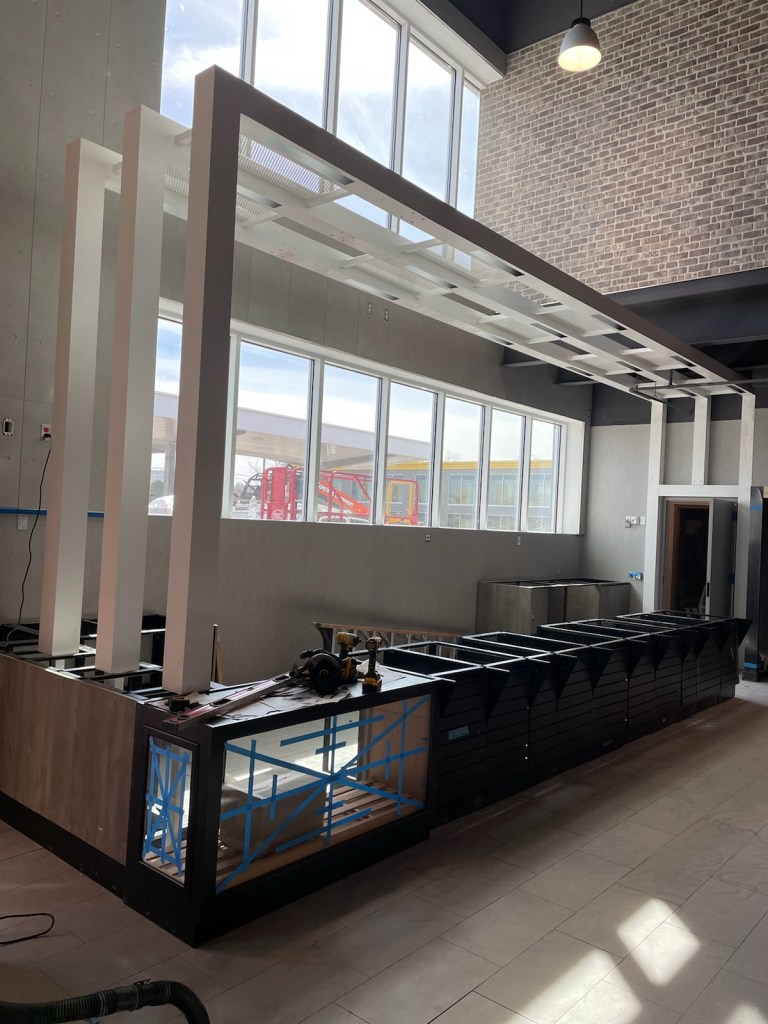

Tailoring Your Store for Gen X, Millennials, and Gen Z
In our previous deep dive, Part 3: The Path to Purchase, we mapped out the physical and psychological journey a customer takes from the pump to the point of sale. We looked at how sightlines, lighting, and “dwell time” dictate what ends up in the basket. But once you’ve mastered the path, you have to master the people walking it.
The “one-size-fits-all” convenience store is a relic of the 1990s. As someone who spends my days helping operators optimize their cabinetry, equipment, and graphics, I’ve seen firsthand how a store layout that delights a 55-year-old contractor can feel completely sterile or “cringe” to a 21-year-old college student. To thrive in 2026, you must navigate the “Generational Handshake.“ This is the strategic balance of meeting the high-efficiency demands of Gen X while satisfying the experience-heavy, socially-conscious expectations of Millennials and Gen Z.
In this post, we’re going to break down the specific psychological triggers for each generation. You’ll learn why Gen X is your “hidden” profit powerhouse, why Millennials demand a digital backstory for your coffee, and why Gen Z treats your snack aisle like a content studio. By the end, you’ll have a roadmap to ensure your store design speaks every generational language fluently.
Gen X: The Efficiency-Obsessed Powerhouse

Don’t let the “Forgotten Generation” moniker fool you. Gen X (born roughly 1965–1980) currently drives 31% of total retail spending and holds the highest revenue-per-shopper metric in nearly every C-store category. They are often the “sandwich generation,” shopping not just for themselves, but for their aging parents and their own children. This makes them your primary grocery and fill-in trip decision-makers.
For Gen X, time is the most valuable currency. They view a convenience store trip as a tactical mission. Their loyalty isn’t won with “vibes”; it’s won through reliability. If they walk in for a specific gallon of milk or a signature sandwich and it’s out of stock, 48% of them will leave frustrated. Even worse, 62% will abandon a purchase if the checkout line looks like a bottleneck.
What You Should Be Doing for Gen X
- Audit Your Inventory Visibility: Use high-quality, tiered cabinetry and gondola shelving that keeps products front-faced and visible. If Gen X has to hunt for a price or a product, you’ve already lost the sale.
- Prioritize “Frictionless” Layouts: Ensure your “Power Perimeter” (milk, bread, beer) is easily accessible with wide aisles. Gen X values personal space and a quick exit.
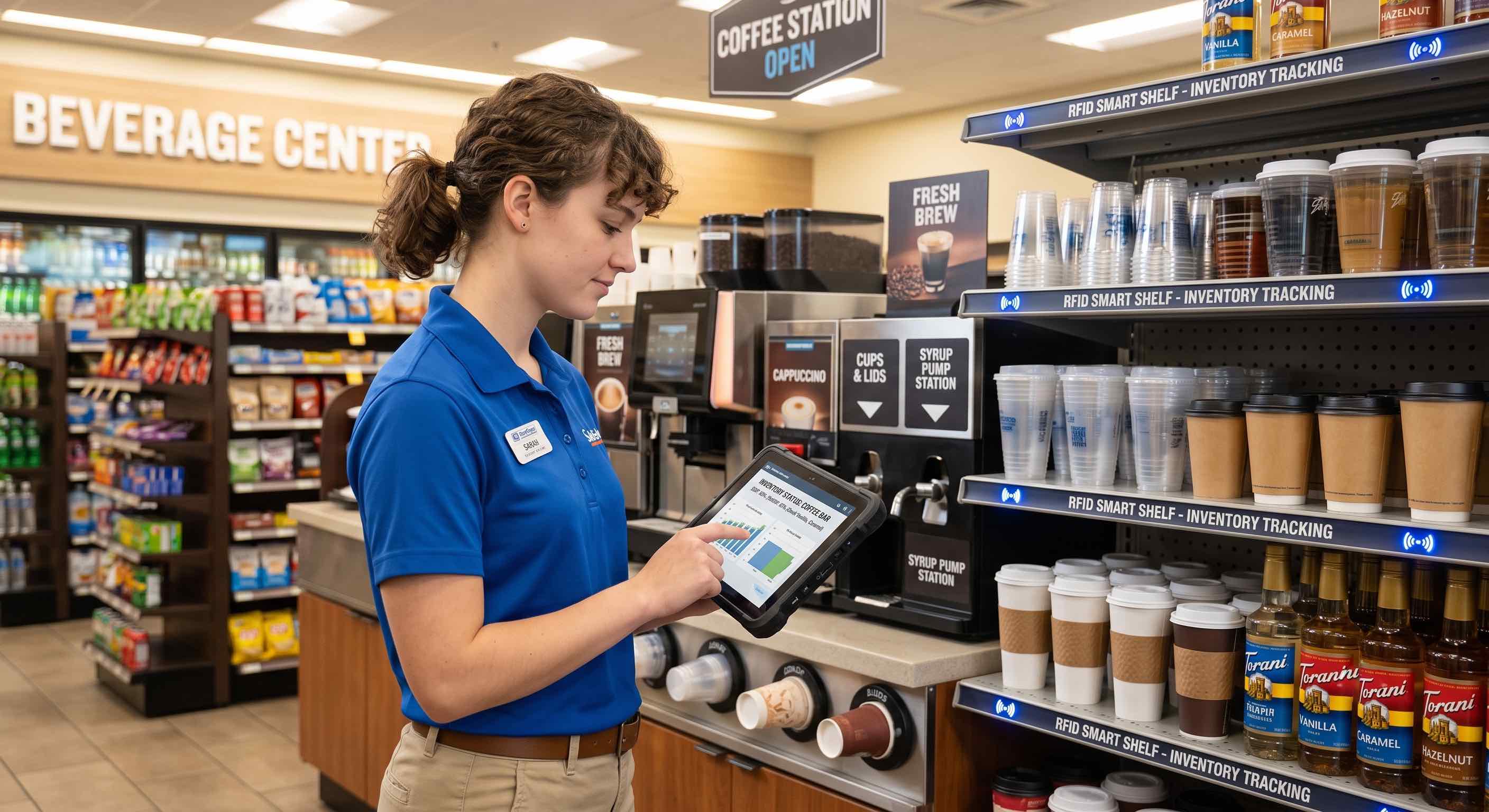
- Invest in Reliable Equipment: Nothing kills a Gen X mission faster than a “Broken” sign on the coffee airpot or the Froyo machine. Maintenance is a marketing strategy for this demographic.
Millennials: The Ethical Researchers

Millennials (born 1981–1996) have shifted the C-store landscape from “junk food stop” to “foodservice destination.” They are the most researched shoppers in history; 72% will check online reviews or your store’s social media before stepping inside. They aren’t just buying a snack; they are buying into a brand’s values.
Sustainability and “better-for-you” (BFY) options are non-negotiable for this group. Over 66% of Millennials are willing to pay a premium for products that are ethically sourced, local, or organic. They want to know the “why” behind your private-label coffee or your grab-and-go wraps. In their eyes, your store’s graphics and signage are your resume, they need to see transparency and quality reflected in your visual branding.
What You Should Be Doing for Millennials
- Leverage Storytelling Graphics: Don’t just list the price of your coffee. Use your signage to highlight “Fair Trade,” “Organic,” or “Roasted Locally.” Tell them the story of the farmer or the chef.
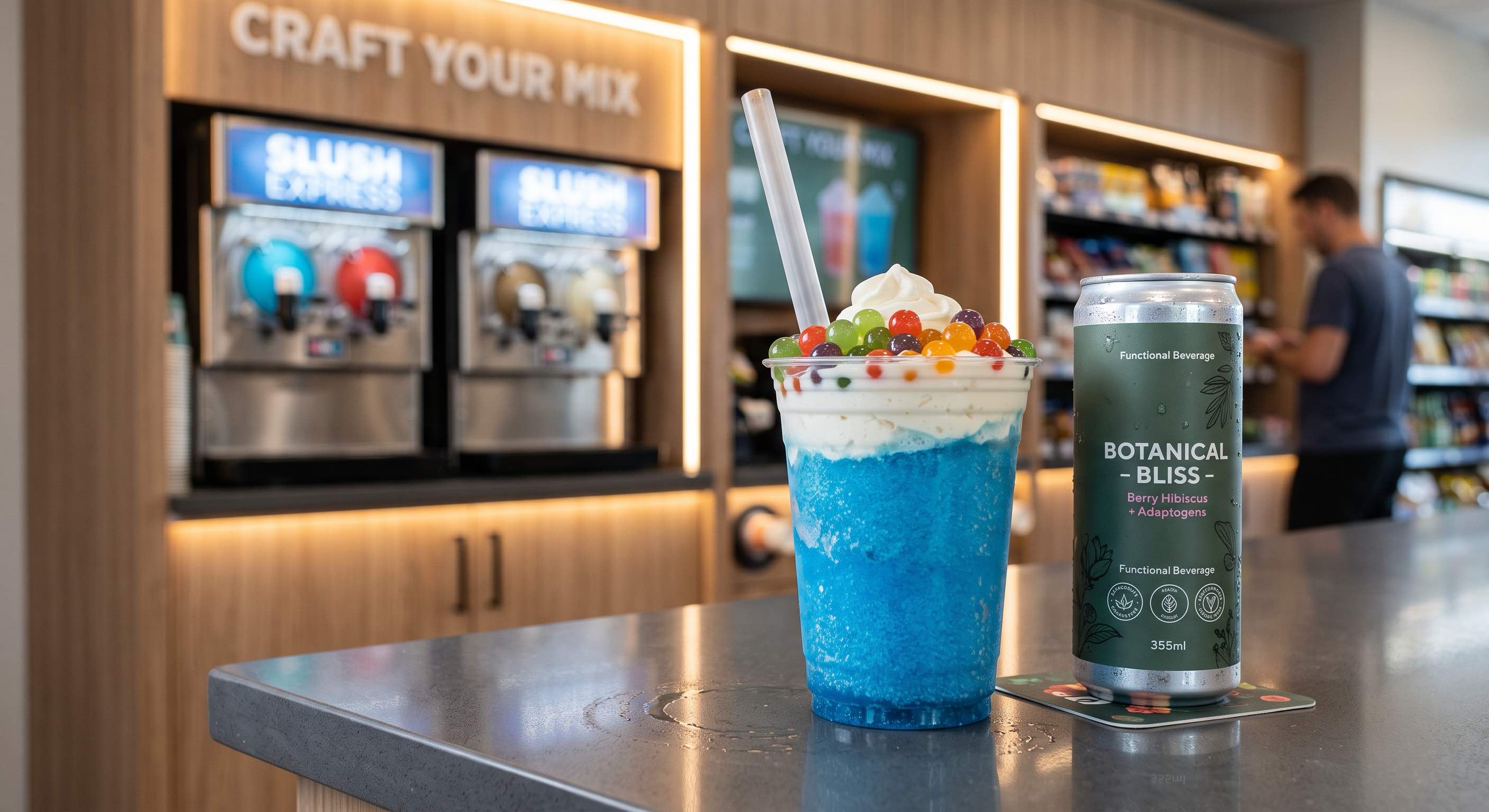
- Expand Functional Beverage & Protein Sections: Millennials are fueling their “hustle culture.” Dedicate cooler space to kombucha, protein shakes, and clean energy drinks.
- Implement Digital Transparency: Use QR codes on your food wrappers or shelf talkers that link to nutritional info or sourcing stories. They want the data at their fingertips.
Gen Z: The “Phygital” Natives

Gen Z (born 1997–2012) is a fascinating contradiction. They shop in-person more than Millennials, yet they are the first generation to be “permanently online.” For them, the physical store is an experience and a “vibe.” They are the drivers of “viral snacks”—think of the sudden explosions in demand for “Dirty Sodas,” extreme-heat chips, or international candies like the Dubai Chocolate Bar.
Gen Z demands a “phygital” environment, a seamless blend of physical browsing and digital interaction. They expect to use your app while standing in the aisle. They also have the lowest tolerance for boredom; if a store looks “dated” or the lighting is poor, they won’t just leave, they won’t even enter. They crave “maximalist” flavors (extra spicy, extra sour) and, above all, customization.
What You Should Be Doing for Gen Z
- Create “Social Media” Endcaps: Dedicate a specific section of your store to “As Seen on TikTok” or “Viral Flavors.” This shows you are current and gives them a reason to take a photo.
- Build Customization Stations: Whether it’s a “flavor shot” fountain for sodas or a “build-your-own” taco bar, Gen Z wants to be the architect of their meal. Ensure your cabinetry is designed for self-service ergonomics.
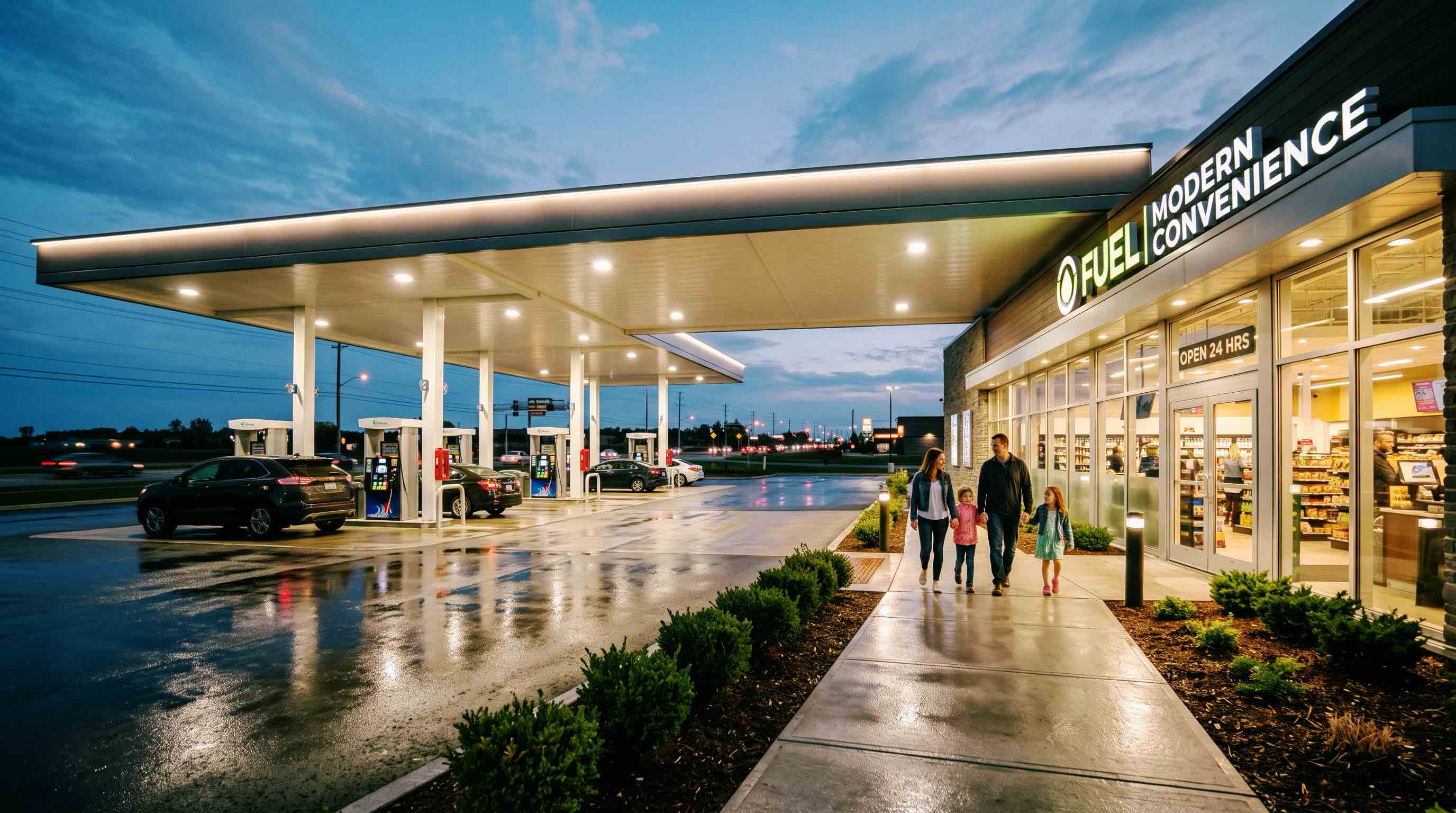
- Focus on Aesthetics: Use bold, high-contrast graphics and modern LED lighting. A “photogenic” store is free advertising in the hands of a Gen Z customer.
- Speed Up with Tech: If your line is long, Gen Z is on their phone, often looking for a different store. Implement mobile ordering or self-checkout kiosks to keep the “vibe” moving.
The Bottom Line: Designing for the Handshake
To win the Generational Handshake, you don’t need three different stores; you need one store that utilizes flexible design. High-end cabinetry provides the organization Gen X craves. Transparent, story-driven graphics build the trust Millennials demand. And a modern, customizable equipment set provides the “vibe” Gen Z lives for.
Understanding who is walking through your door is the first step toward increasing your basket size. However, age isn’t the only factor that dictates how people move through your space. There is another layer to the human psyche that we must address to truly master store design: Gender.
Coming Up Next…
In Part 5: Beyond the Binary, Designing for Mission-Driven Men and Experience-Seeking Women, we’re going to dive into the specific neurological differences in how men and women shop. We will explore why men often shop on a “linear mission” and how to cater to that logic, versus why women often view shopping as a “journey” that requires higher standards of safety, cleanliness, and sensory aesthetics.
We’ve covered the where and the who, now it’s time to talk about the how. I’ll see you in the next post.
Want the ‘The Generational Handshake’ infographic in a printable PDF? Leave me a comment and I’ll reach out. Stay tuned for the rest of the series.

Leave a Reply