Mastering Food Safety from Gas to Gourmet
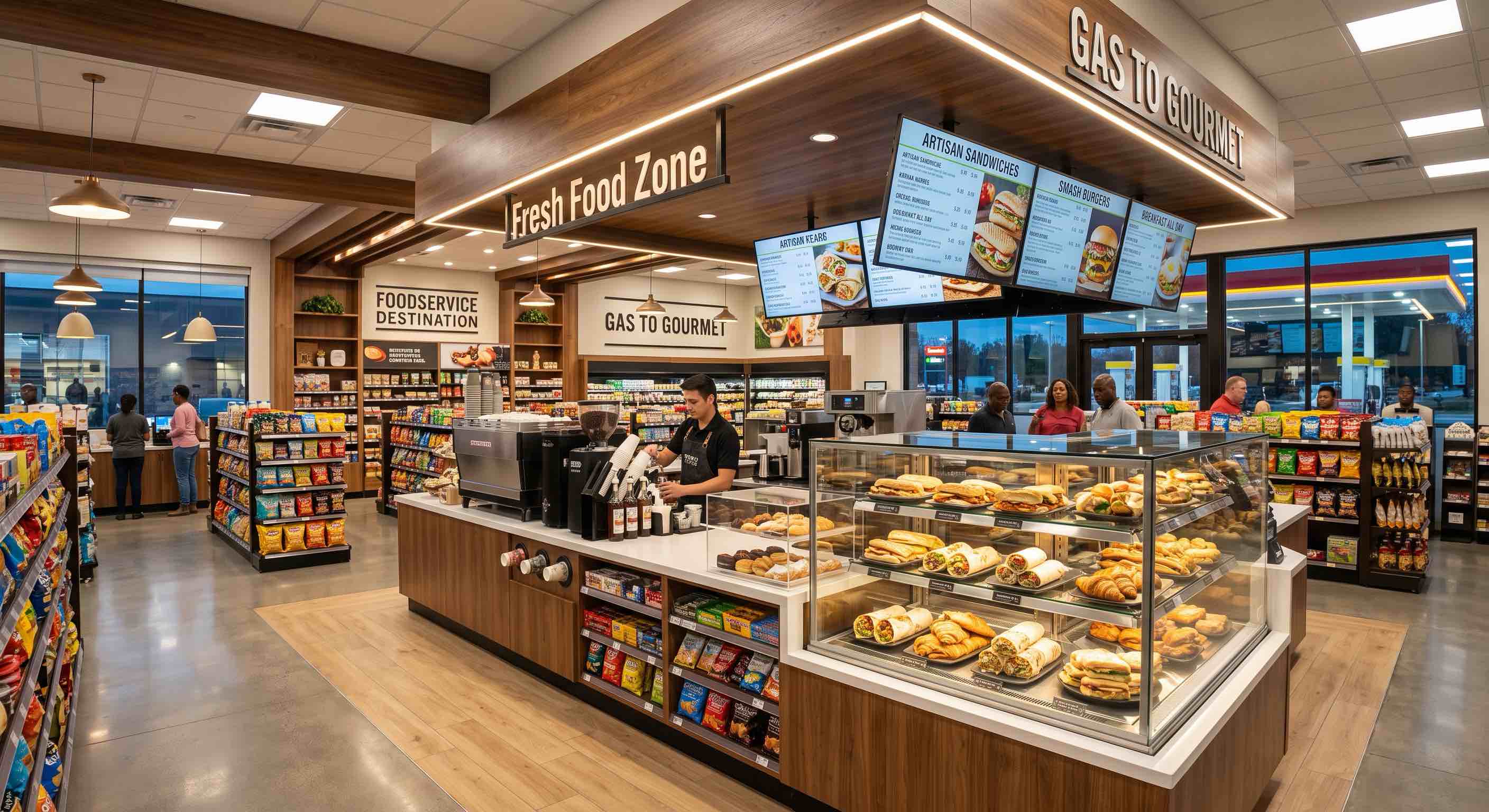
The convenience store industry is currently navigating a profound identity shift. We are no longer just “gas stations that sell snacks”; we have become legitimate competitors in the Quick Service Restaurant (QSR) space. However, with this “Gas to Gourmet” evolution comes a significant weight of responsibility. As we move from pre-packaged sandwiches to made-to-order meals and high-end coffee programs, our “cleaning checklist” is no longer enough. We are entering the era of the Food Safety Culture.
I’ve spent decades on the partner side of this business, designing the layouts, installing the cabinetry, and creating the graphics that define your brand. I can tell you from experience: the most beautiful granite countertop or high-tech rapid-cook oven won’t save your business if a customer gets sick. Today, food safety is your most valuable marketing tool and your most critical operational hurdle. With the Food Safety Forum approaching this April (13–14, 2026), there is no better time to talk about how operational excellence in food handling directly impacts your bottom line.
In this guide, we are going to move beyond the surface-level mop-and-bucket talk. We’re going to explore the “Reputation ROI,” tackle the five primary culprits of foodborne illness, and build a 90-day roadmap that elevates your store from a functional pit stop to a trusted dining destination.
The Foundational Landscape: The Reputation ROI

For years, the “c-store sushi” joke was the bane of our industry. But the tide has turned. Recent market research shows that 35% of consumers now recognize significant improvements in c-store food quality, and 33% have noted better freshness. This is a massive win for us, but it’s also a fragile one.
The Viability Shift
Currently, 72% of consumers view convenience stores as viable alternatives to traditional fast-food restaurants. This shift isn’t just about convenience; it’s about perceived value and quality. When a customer chooses your breakfast burrito over a McDonald’s Egg McMuffin, they aren’t just looking for speed, they are extending a level of trust that was previously reserved for dedicated foodservice brands.
Transparency as a Competitive Edge
In the “Reputation Revolution,” transparency is your best friend. Consumers are hyper-aware of where their food comes from and how it’s handled. When you are transparent about your safety protocols, whether through open-kitchen designs that show off your clean prep areas or digital signage highlighting your fresh-arrival times, you build a “Strategic Credibility” that is hard to break.
What You Should Be Doing: Establishing the Why
- Audit Your “First Impression” Points: Walk from the pump to the foodservice counter. If there is trash by the door or a spill at the fountain, the customer assumes your kitchen is also dirty.
- Highlight Your Standards: Use your digital signage or window graphics to mention “Freshly Prepared Today” or “Strict Quality Standards Met.”
- Monitor the Narrative: Regularly check your Google and Yelp reviews for keywords like “clean,” “fresh,” or “safe.” This is your real-time reputation scorecard.
Strategic & Operational Execution: Eliminating the Five Culprits

Transitioning from theory to practice requires looking at the “how” of food safety. In my work with equipment and cabinetry, I’ve seen how layout and hardware can either help or hinder safety. According to health experts, there are five major culprits behind foodborne illness. Let’s break down how to defeat them.
1. Poor Personal Hygiene (The #1 Offender)
Handwashing is the cornerstone of food safety, yet it is often the first thing skipped during a busy lunch rush. As a design partner, I always advocate for dedicated handwashing sinks that are easily accessible, not tucked behind a stack of crates. If it’s hard to reach, it won’t be used.
2. Purchasing from Unsafe Sources
Your food safety is only as strong as your weakest supplier. While local “mom and pop” suppliers can offer great flavor, you must ensure they meet the same rigorous safety standards as your national distributors.
3. Inadequate Cooking
“Good enough” isn’t a temperature. Whether you are using high-speed ovens or traditional fryers, your staff must be trained to use calibrated thermometers every single time.
4. Contaminated Equipment
This is where my world of cabinetry and design meets your daily operations. Cross-contamination often happens because of poor workflow. If your raw prep area is right next to your finished-product assembly without a physical barrier or color-coded tool system, you are asking for trouble.
5. Improper Holding Temperatures
The “Danger Zone” (between 40°F and 140°F) is where bacteria thrive. Your hot-hold cases and refrigerated grab-and-go units need to be checked multiple times per shift.
What You Should Be Doing: Hardening Your Defenses
- Implement “Handwashing Alarms”: Set a timer to go off every 30 minutes in the kitchen. When it rings, everyone washes up, regardless of how busy they are.
- Invest in Digital Temperature Monitoring: Move away from manual logs. Sensors that alert your phone if a cooler goes down at 2:00 AM can save thousands in inventory and protect your customers.
- Color-Code Everything: Use red cutting boards and tongs for raw items and green for produce/finished goods. It’s a visual cue that even a new hire can understand instantly.
Innovation & Profit Maximization: Strategic Credibility
If you want to maximize profits in 2026, you have to move beyond “surviving” health inspections and start “thriving” in brand perception. This is where innovation meets the bottom line.
The Power of “Instant Credibility”
One of the fastest ways to elevate your store is by leaning on recognizable franchise brands or standardized, certified training programs (like ServSafe). When a customer sees a branded pizza program or a “Certified Food Protection Manager” certificate on the wall, it provides “Instant Credibility.” They aren’t just buying food from a gas station; they are buying from a professional foodservice outlet that happens to sell gas.
Design for Safety
Innovative design can actually drive sales. Use materials like non-porous antimicrobial surfaces for your counters. Not only are they easier to clean, but they also maintain that “new” look longer, which reinforces the customer’s perception of freshness.
Technology as a Sales Driver
Use technology to show off your safety. QR codes on packaging that lead to “Our Safety Promise” or information about the farm where the ingredients originated can justify a higher price point. This is how you move from a $4 sandwich to an $8 “Artisan Melt.”
What You Should Be Doing: Scaling Your Success
- Standardize Training: Don’t just “show them the ropes.” Put every foodservice employee through a formal certification process.
- Upgrade Your Surfaces: If you’re planning a remodel, move away from wood-based or porous surfaces in food zones. Stainless steel and high-grade composites are the gold standard for a reason.
- Leverage Brand Partnerships: If you aren’t ready to build a proprietary gourmet brand, partner with a known franchise. The brand’s safety reputation becomes your safety reputation.
The Executive Action Plan: Your 90-Day Roadmap

Transformation doesn’t happen overnight. It happens through consistent, prioritized action. Here is how you can lead from the top and ensure food safety is a shared responsibility.
Days 1–30: The Baseline Audit
- Personnel Assessment: Identify who your “Food Safety Champions” are on each shift.
- Equipment Check: Have a technician calibrate every oven, cooler, and thermometer in the building.
- The “Fresh Eyes” Walkthrough: Hire a third-party auditor or have a manager from a different location perform a mock health inspection.
Days 31–60: The Cultural Shift
- Training Blitz: Hold mandatory “Back to Basics” workshops focusing on the Five Culprits.
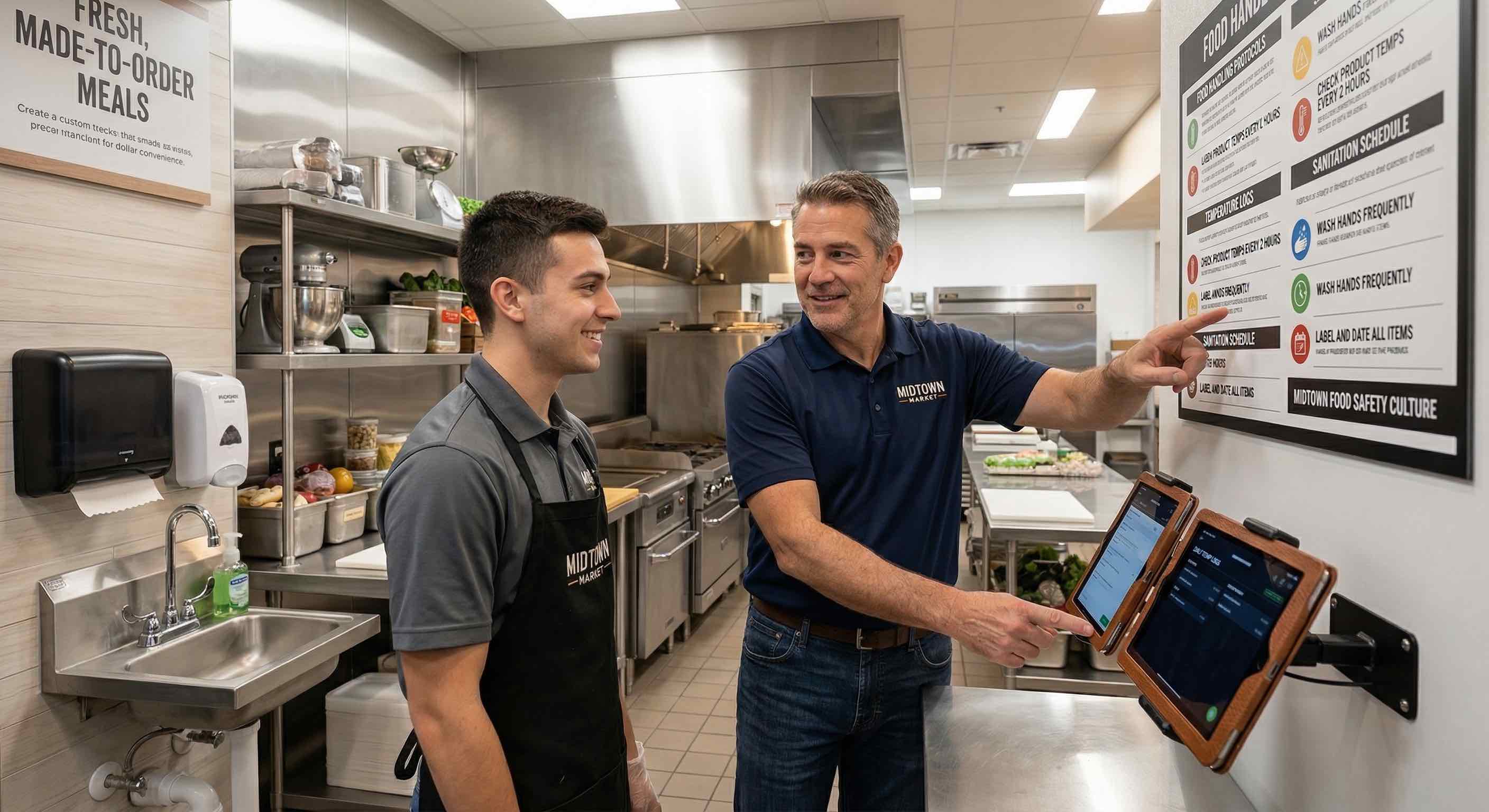
- Visual Reinforcement: Update your back-of-house signage. Replace old, faded posters with clear, high-contrast graphics that reinforce handwashing and temperature checks.
- Leader Involvement: As the owner, put on an apron and join a cleaning shift. “Leading from the Top” shows your team that safety isn’t just a corporate buzzword, it’s a core value.
Days 61–90: The Reputation Launch
- Marketing Integration: Start sharing your safety standards on social media. Post a video of your morning “freshness check.”
- Customer Feedback Loop: Implement a simple way for customers to report cleanliness issues (like a QR code in the restroom) so you can fix problems before they hit social media.
The Bottom Line: Leading the Revolution
We are at a crossroads in the convenience industry. The “Reputation Revolution” is rewarding those who treat food safety as a profit center rather than a chore. By moving beyond the cleaning checklist and fostering a true Food Safety Culture, you aren’t just protecting yourself from legal liability, you are building a brand that customers will choose again and again.
Remember, the goal isn’t just to be “clean enough” to pass an inspection; it’s to be “safe enough” to feed your own family. When your staff understands that food safety is about caring for the community, your operational excellence will naturally follow.

Leave a Reply